
Have you been eating boring rice your whole life? Try these seven kinds instead | Rice
Have you been using boring rice your entire life?
Many people I know gravitate to plain old white rice – perhaps out of habit or based on what’s available in the average supermarket.
But the world of rice is vast and as a rice cooker nerd, I love using many different types of grains in my fleet of rice cookers. (I tested them, and many others, for the Filter’s review of the best US rice cookers.)
Why go for white rice when you could have varieties tailored to the specific dish you’re making? I’m certainly never going to use jasmine rice to make a musubi when I can use glossy, sticky Tamanishiki rice. And I’m not going to use Tamanishiki to sop up a vinegary adobo sauce when I can do a fragrant Thai Hom Mali.
There are thousands of varieties of rice in the world, all with different flavor profiles, grain lengths, uses and levels of protein, fiber and stickiness.
I’m a chef from Hawaii who ran a rice-based operation called Poi Dog, where we served plate lunches, musubi and poke bowls – all made with rice. Even our desserts were made with rice and rice flour.
Here are seven of my favorite varieties of rice that I think you’ll enjoy trying, including specific cooking instructions where relevant.
Nutty and flavorful:
Jasberry Organic Superfood Rice

Jasberry
Organic Superfood Rice
from $5.95
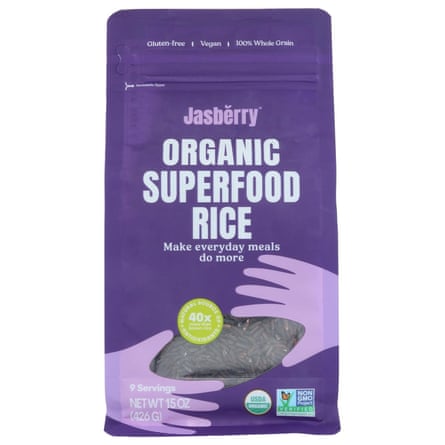
Jasberry rice is one of my core pantry staples. It’s organic, grown by small-holder farmers in northern Thailand, and its makers say that through crossbreeding it’s packed with antioxidants. It’s the easiest rice to cook – you don’t need to rinse it before putting it in a rice cooker.
It doesn’t have as rough or hard a texture as other wild or forbidden rice grains, but it’s still nutty and flavorful. The company is deeply committed to sustainable practices both in farming and in nurturing its community of farmers.
To prepare it I typically use the brown rice function on rice cookers. If I’m making a blend of white sushi rice and Jasberry rice, which works out better when using the rice for musubi, I’ll set it on a “mixed rice” function.
Jasberry
Organic Superfood Rice
from $5.95
A precious, fragrant grain:
Lotus Foods Organic Jade Pearl Rice

Lotus Foods
Organic Jade Pearl Rice
$7.49
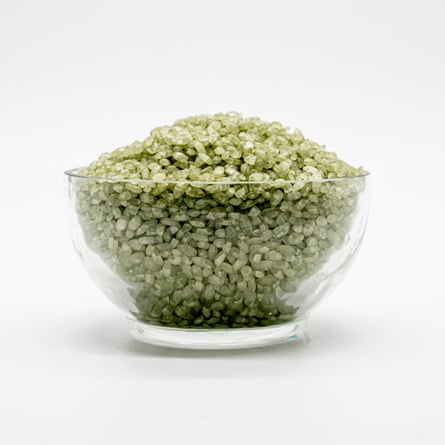
I love Lotus Foods’ range of products, from different types of rice noodles to their heirloom forbidden and basmati rice varieties, but my absolute favorite is their organic jade pearl rice. The grains really do resemble tiny freshwater pearls. It’s a sticky, lightly sweet short grain that makes excellent sushi rice, and it’s infused with bamboo extract for a distinctly lovely pale green color.
Lotus Foods imports some varieties of their rice, but they have transitioned to growing their jade pearl rice in California rather than China. This rice should also not be rinsed before cooking (to retain its color). And remember to fluff it when it’s done by turning it gently with a rice paddle.
Lotus Foods
Organic Jade Pearl Rice
$7.49
Sticky, glossy and perfect for sushi:
Tamanishiki Super Premium Short Grain Rice

Tamanishiki
Super Premium Short Grain Rice
from $18.99
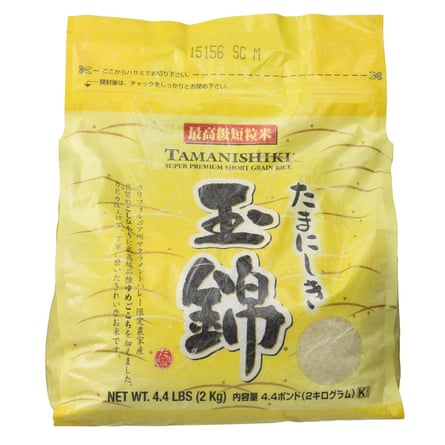
Looking to make rice balls or musubi? This is your rice. I first fell deeply in love with Tamanishiki, a super-premium short grain rice, through its use at a legendary musubi shop in Honolulu – the former Mana Bu’s. It has a rich, deep flavor. It’s a hybrid of Koshihikari (also a popular, premium sushi rice) and Yumegokochi (known for being very sweet and sticky) varieties. When cooked, it’s glossy, delightfully sticky and soft. Its ratio for cooking is generally one part rice to 1.5 parts water.
Tamanishiki
Super Premium Short Grain Rice
from $18.99
Variegated grains with interesting textures:
Blue Moon Acres Brown Rice

Blue Moon Acres
Brown Rice
$10.25
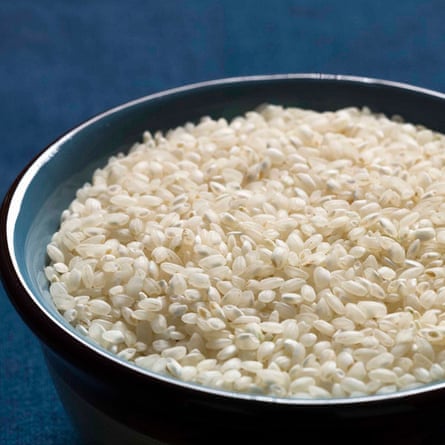
Though California may be known best for rice production in the US, the east coast is also growing incredible grains. Rice fans will know of Carolina Gold rice, but there’s more. I’m based in Philadelphia and it’s exciting to me to have access to locally grown rice from Blue Moon Acres, which grows its organic-certified rice nearby in New Jersey using regenerative Korean natural farming practices.
They grow several varieties, including medium grain, sushi and maratelli, and you’ll be delighted with any of them, but you should start with their long grain brown rice, which has a very unique, oatmeal-esque aroma. The grains are not uniform, which results in an interesting, rustic variance in texture. It cooks up beautifully on any rice cooker’s brown rice function. If your cooker doesn’t have one, just add a little more water than you would for white rice.
Blue Moon Acres
Brown Rice
$10.25
Very nutritious:
Gaba Rice Sprouted Koshihikari Brown Rice

Gaba Rice
Sprouted Koshihikari Brown Rice
$25.75
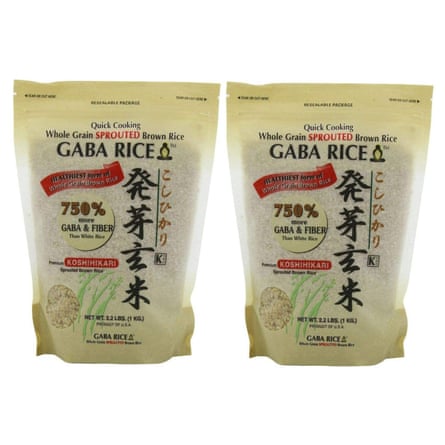
Germinated brown rice has more nutritional benefits and is easier to digest than ordinary brown rice. It has high levels of the amino acid gamma-aminobutyric acid (Gaba), and some claim that Gaba foods promote calmness and eases anxiety, though medical experts say much more research is needed to determine if this holds up.
Whatever the case, this is my go-to brown rice because it can cook up as sweet and sticky in texture as short grain white rice, and I love pan-searing the clumps the next day in coconut oil for an incredible, crunchy rice snack.
Some of the more high-tech rice cookers from Zojirushi and Cuckoo have a Gaba function, which soaks the rice for a pre-set time to activate its enzymes and then automatically cooks it. If your cooker doesn’t have this function, or you’re cooking this rice on a stovestop, you can make Gaba rice at home as you would any other sprouted brown rice, by soaking it in room temperature water for two to three days and changing the water every eight to 12 hours.
Gaba Rice
Sprouted Koshihikari Brown Rice
$25.75
Vietnam’s king of rice varieties:
Gao Ngon Nhat ST25 Vietnamese Rice

Gao Ngon Nhat
ST25 Vietnamese Rice
from $64.99
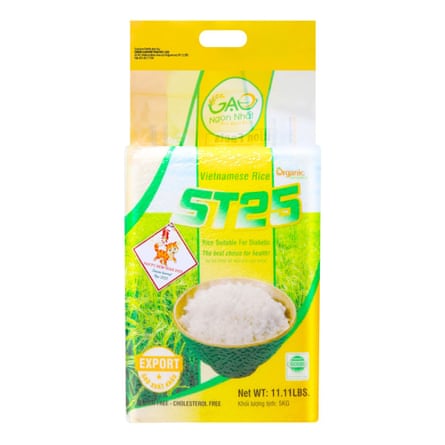
ST25 is a crossbred variety of rice that is known for its pandan aroma, firm, chewier grains, and is also said to have higher protein content. It tastes noticeably different from other rices due to its delicate but heady fragrance, and its floral notes pair beautifully with oily fish. It’s grown in Sóc Trăng in the Mekong Delta in Vietnam. It uses a 1:1 ratio of rice to water, and works well on any cooker’s white rice setting (remember to fluff with a rice paddle when it’s done).
Gao Ngon Nhat
ST25 Vietnamese Rice
from $64.99
Thailand’s fragrant, long-grained queen of rice:
Four Elephants Organic Premium Thai Hom Mali Jasmine Rice

Four Elephants
Organic Premium Thai Hom Mali Jasmine Rice (20 lb bag)
$74.99
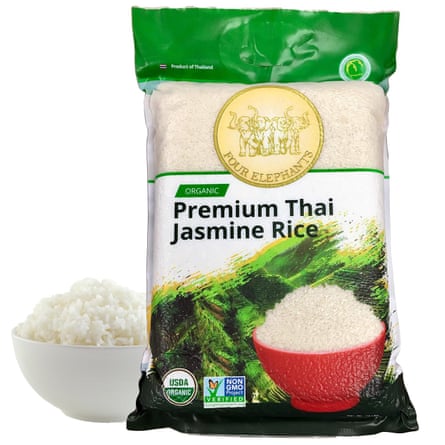
Like ST25, Thai Hom Mali, also sometimes labeled as Milagrosa (Spanish for “miraculous”), is a premium long grain jasmine rice – and to be clear, both are varieties, not brands. Thai Hom Mali is soft and generally a little stickier yet fluffier than ST25, and it clumps less. It also has a floral, jasmine-pandan fragrance and has high fiber content. It’s excellent for absorbing spicy, saucy dishes and uses a 1:1 ratio of rice to water. This is also a particularly wonderful grain to use for desserts, whether drizzled with condensed milk and paired with fresh mango, or cooked into a rice pudding.
Four Elephants
Organic Premium Thai Hom Mali Jasmine Rice (20 lb bag)
$74.99
Kiki Aranita is a longtime food and kitchen reviewer, and the former chef/owner of the Poi Dog restaurant and food truck
Other pieces you might enjoy from the Filter, the Guardian’s guide to buying fewer, better things: