
These are the Canadian regions with the highest rates of breast cancer – National
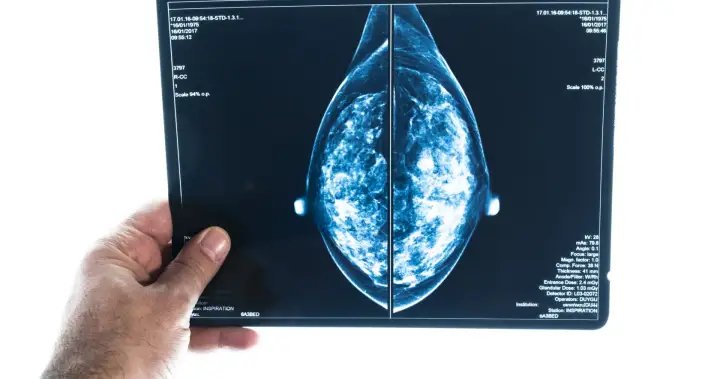
A new Statistics Canada study has uncovered which Canadian provinces experience the highest breast cancer rates.

Between 2010 and 2020, rural regions in Quebec, Ontario and the Prairies, as well as in certain urban centers with large immigrant and racialized populations, were found to have the highest breast cancer risks.
Rates are lowest in Montreal, Toronto and Vancouver, alongside northern and remote regions with younger populations and large metropolitan areas.
“While breast cancer incidence and mortality have decreased over the last decade, national-level estimates mask underlying variability, including variability by age, socioeconomic characteristics, and geography,” the study reads.
Breast cancer is the most commonly diagnosed cancer and the second-most common cause of cancer-related deaths among females in Canada, with 30,500 females estimated to be diagnosed with breast cancer in 2024 and 5,500 females dying of breast cancer in that same year.
Separate Statistics Canada research states that one in eight (13 per cent) of Canadian females are expected to develop breast cancer during their lifetime and one in 36 (three per cent) will die of it.
Breast cancer in males makes up less than one per cent of all breast cancers.
The probability of surviving breast cancer at least five years after diagnosis is about 89 per cent for females in Canada.
Kimberly Carson, CEO of Breast Cancer Canada, said that a lack of mammogram technologies and access in some regions contributes to higher breast cancer rates.
“We often don’t catch it [breast cancer] fast enough or early enough because of the lack of mammograms in the community,” she said.
“A lot of our communities in those areas don’t have mammogram machines and they have to wait until the mammogram machine comes through on a regular basis, or they have to travel long distances.”

Get weekly health news
Receive the latest medical news and health information delivered to you every Sunday.
“These are all inequities that kind of culminate into this massive problem that we’re seeing around equitable care and access across the country.”

Brandon Purcell, advocacy manager of prevention at the Canadian Cancer Society, said that since Canada does not have national guidelines on how to treat breast cancer, the disease can fall behind in development compared to other kinds of cancers.
“The importance of making sure that cancer and the cancer guidance are addressed is paramount,” he said. “Reflecting the science and the latest evidence, some examples are colorectal cancer, lung cancer, prostate cancer are all a decade out of date, and sometimes provinces are moving on without them.”
The study states that the national age of diagnosis of invasive breast cancer was 62.7 years, varying significantly across the country.
However, the mean age at diagnosis was significantly lower in Nunavut (54.2), the Northwest Territories (56.7) and Alberta (61.2) compared with Ontario (62.5). Other provinces had significantly higher mean ages at diagnosis.
Purcell states that while there is no one single reason for age range diagnosis, the cause of this can again be traced to a lack of resources.
“There are a lot of complex factors that go into how cancers are diagnosed and when,” he said.
“In the Atlantic provinces, the general population tends to be older, but they also suffer from a resource shortage, there’s been a lot of stories recently about the long wait times and in Nova Scotia, for example, to access mammography of northwards up to a year in some cases, and by not having access to that early detection, women that aren’t equipped to find those cancers early when they’re easier to treat and likely the survival is higher.”
Over the study period, the age-standardized mortality rate attributable to breast cancer was 28.3 females per 100,000 every year, something that Carson believes can be lowered if more screening tools were available across the country.
“We know for sure that the earlier we catch it, the better the outcomes,” she said.

An April 2026 Canadian Medical Association Journal study found that breast cancer is expected to be one of the most common cancers diagnosed in 2026 at 26 per cent.
Breast cancer was also among lung, colorectal, pancreatic and prostate cancers projected to account for more than half (52 per cent) of all Canadian cancer deaths in 2026.
Currently, all Canadian provinces and territories except Quebec have lowered their minimum mammogram eligibility age from 45 to 40 years old, moves that Purcell said are “absolutely critical.”
“Sometimes you see a trend that’s happening, you don’t really know why it’s happening, but you need to be flexible and be willing to make the necessary changes to the health-care system to meet people where reality is,” he said.
“Quebec is looking at some changes to lowering the screening age, so we hope they’ll be making more moves on that.”
When the Alberta government lowered the age for breast cancer screening to 40 on April 22, more people will gain access to publicly funded mammograms by next year.

Patients in Alberta aged 40 to 44 will be able to access free mammograms with only one initial doctor referral until the full changes kick in next April.
The government estimates expanding breast cancer screening will make 193,000 more Albertans eligible. Provincial statistics show one in two Albertans will be diagnosed with cancer in their lifetime.
Preventative Health Minister Adriana LaGrange said at the time that the government is following the evidence that early detection significantly increases survival rates.
“We have good evidence that shows that if we can screen people early and find issues early, particularly breast cancer, that the survival rate is over 90 per cent now,” LaGrange said.
However, Carson says that more needs to be done.
“What we need is preventative screening everywhere so that everybody has access at the age of 40 to self-referred mammography. And then we would catch it early, and we would be able to treat it the best way possible,” she said.
“There would be less invasive treatment, better outcomes.”