Can Starmer’s late-night World Cup openings help Britain’s struggling pubs? | Hospitality industry
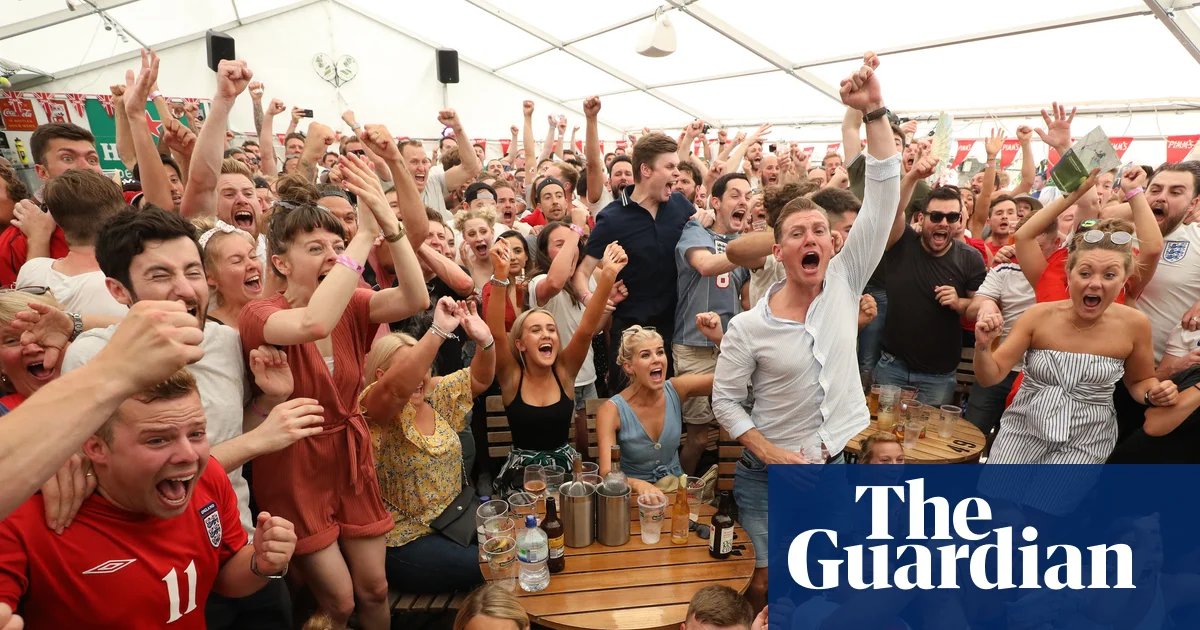
Picture the scene: it’s 1am on a sultry July night and Jude Bellingham has just scored the decisive penalty to send England into the World Cup semi-final. Cue wild celebrations among millions of pub goers, fuelled by the realisation that there is still an hour until closing time.
Keir Starmer may have imagined a national morale-boosting spectacle such as this when his government told hospitality venues that they could stay open until 2am on some World Cup match days.
The relaxation of licensing rules reflects the UK’s time difference with the US, Mexico and Canada, the tournament’s co-hosts, which means many England and Scotland games kick off at night. But can a handful of late openings come to the rescue of the struggling hospitality sector?
When can pubs open late?
Venues can already apply for a “temporary events notice” to open late but the government has told councils to allow a blanket extension for pubs during games featuring the home nations. This will allow pub goers to stay until 1am for games starting between 5pm and 9pm, and as late as 2am for 10pm kick-offs.
In England, this will only apply from the knockout stages. In Scotland, most councils will allow pubs to open late from the national team’s first World Cup fixture in nearly 30 years, versus Haiti. That game kicks off in Boston in the US at 2am UK time on 14 June, mercifully followed by a bank holiday the next day.
In theory, late opening hours could apply to 13 of the tournament’s 104 games but in practice it’s likely to be significantly fewer.
Why is that?
The permutations of how – and whether – the home nations progress, mean that few games are likely to be eligible for late showings.
England fans, in particular, may have to wait until the later stages. If the Three Lions win their group, their first knockout game kicks off at 5pm on 1 July. In theory, the game would be eligible for 1am closing. In practice, even with drinks breaks, extra time and a nerve-racking penalty shootout, the game is likely to be over by about 8pm at the latest. The clamour for a further five hours in the pub may not be loud enough to justify a late opening.
“A lot of pubs will be trying to gauge the demand as the tournament progresses, rather than making a blanket commitment in advance,” said Paul Crossman, the chair of the Campaign for Pubs and landlord of three pubs in York.
The first late show might not come until the quarter-final on 11 July, which starts at 10pm and could easily finish at 1am or later, leaving just under an hour of service at the bar. Both the semi-final and final would be eligible for 1am closing.
Any other snags?
Only the potential for England fans to be turfed out on to the street just as the World Cup Final reaches its climax. Yes, that’s right.
The late hours extension applies to pubs licensed until 11pm. However, the Night Time Industries Association (NTIA) estimates that up to 3,000 are only licensed to open until 10.30pm on a Sunday.
The final kicks off at 8pm on Sunday 19 July, meaning the 10.30pm cut-off point could easily fall during extra time or penalties. Landlords of those pubs wishing to stay open later must apply for a “temporary events notice” (TEN) by 3 July. However, refusals are final, and some may have used their annual allocation of 15 TENs.
It’s also not clear what happens if delays caused by downpours of biblical proportions, a factor during pre-tournament friendlies, push the final whistle beyond 1am or 2am.
The Garricks Head, a sports pub in Manchester, is showing every game possible. It has doubled its number of workers and installed extra screens, a barbecue and seats in the car park. The landlady, Dawn Slater, expects to sell 50,000 extra pints if England make the final. However, she still doesn’t know what happens if weather delays a game beyond the allowed time.
“Hopefully there would be some leeway allowing you to keep showing the game even if you can’t serve alcohol. If you’re turning off the TV early, that could come with its own problems,” she said.
Whether any council would order pubs to switch off just as England are on the verge of glory is a different story.
So will there be much benefit?
From the World Cup overall, yes. The expanded competition – 104 games compared with 64 in Qatar 2022 – means that pubs are predicted to pull an extra 55m pints, a revenue boost of £275m, according to the British Beer and Pub Association (BBPA).
During Euro 2024, England games delivered a 42% sales uplift, rising to 56% for the final, while Scotland games had a 38% increase. Bookings are up 184% in pubs and 64% across hospitality as a whole, while the trade body UK Hospitality said it expected venues to be “heaving” all summer. More than 9 million people say they’ll watch a game in the pub, according to data from Zonal and NIQ.
Siba, the trade body representing craft brewers, is encouraging drinkers to spurn Budweiser, the England team’s official beer, and show their patriotism by buying “Indie beer” that isn’t owned by a major brewing company.
What about from late hours?
Kate Nicholls, the chair of UK Hospitality, thinks that later kick-offs are generally better, because consumers might go for a meal first and then watch a game in the pub, delivering a “double hit”. Sales typically drop during a tournament, according to Britain’s biggest hospitality group, Mitchells & Butlers, because many of its venues don’t show sport. A source close to the company said they expected an uplift this year.
However, while Nicholls welcomed the prime minister’s largesse on late opening, she thinks the benefits are likely to be “limited”. Chris Jowsey, who runs the 1,300-strong Admiral pubs chain, said late kick-offs could actually be detrimental. Many of his pubs are in suburban areas, where showing the game outside is likely to upset neighbours.
“We’ve moved a lot of it indoors where we have less capacity, which will limit numbers [compared with earlier kick-offs],” he said.
Will it help the pubs sector?
It can’t hurt but there are far bigger fish to fry.
British pubs have been closing at a rate of two a day this year under the weight of rising costs, while restaurants and hotels are struggling too. About 200,000 people have signed UK Hospitality’s petition for VAT on hospitality to be reduced from 20% – far higher than most European countries – to 10%.
Companies are battling the impact of a lacklustre economy, high business rates, increased minimum wage and higher national insurance contributions. Factor in soaring energy bills and a few late openings aren’t going to butter many parsnips.
“It’s definitely a bonus,” said Dawn Hopkins, the owner of the Rose Inn, in Norwich. “But a lot of regular customers have only got so much money to spend so it won’t make a huge difference in the grand scheme of things. We’re all finding things very difficult.”
Matt Harris, the owner of the Planet of the Grapes wine bar chain in London, did not mince his words. “I thought Labour coming in would help growth but they’ve just left us to rot,” he said.