Readers reply: Is ‘ripen at home’ fruit the supermarkets’ idea of a joke? | Life and style
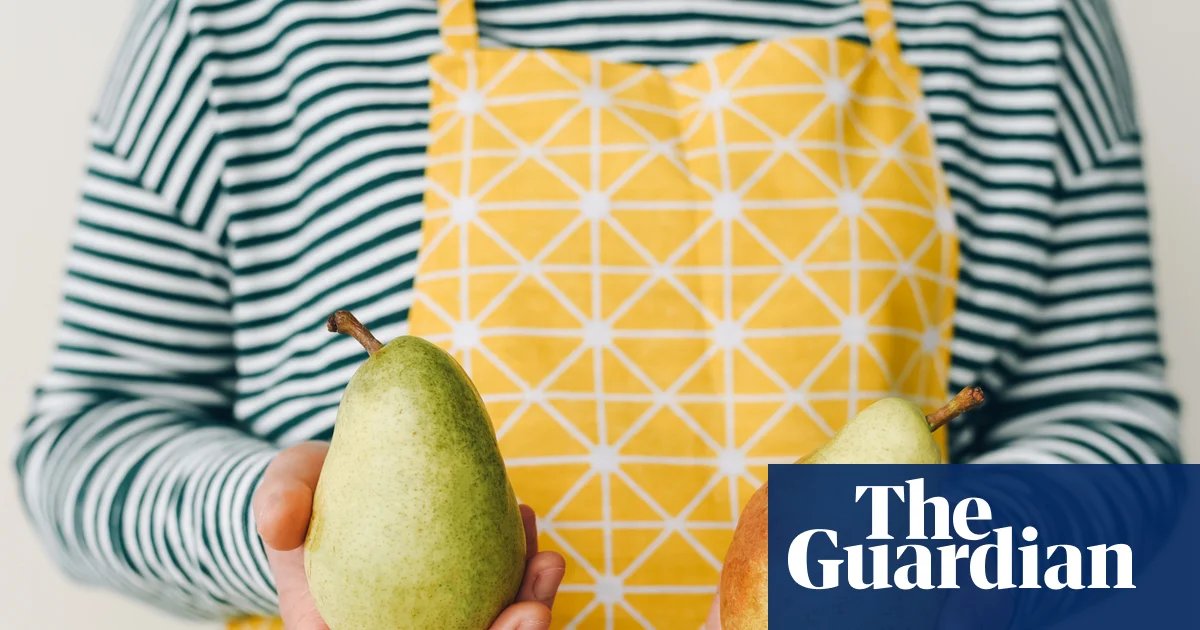
I can’t be the only person who has become deeply distrustful of “ripen at home” fruit and veg. I’ve tried many varieties – peaches, pears, avocados – but either they stay rock-hard for weeks or they turn overnight and I find them oozing in the fruit bowl. When and how did we start having to pay extra for produce we can actually eat? Graeme McIntyre, Edinburgh
Send new questions to nq@theguardian.com.
Readers reply
We call this fruit “rot in a basket”. Nectarines and peaches seem to be the worst offenders. Much better to buy better quality, which is already ripe, and consume quickly. On a tangent, I found an apple at the back of the fridge this week which had been there since January. Still quite firm. What do they do to them? BaronOchs
We run into this problem with peaches, which if picked ripe would be terribly bruised by the time they got to the store, so they are usually like orange cannon balls. We put them in a brown paper bag (kept for this purpose) and check them at least once a day – more often once they are getting close to ripe. Once ripe, we put them in the fridge, where they are usually good for several more days. TwoRavens
About 50 years ago, as the winter months turned into spring, apples grown in France were competing in English supermarkets and greengrocers with imported apples from South Africa and New Zealand. English apples at the time were well past their best; the few that survived that long in storage were either soft and flabby or still hard as wood.
The labels on the French boxes said “atmosphère contrôlée”. The French had worked out that combinations of low temperatures, raised CO2, reduced oxygen and controlled moisture levels could preserve some apple varieties for months after they were picked underripe. Varieties with tougher skin could be bred to survive repeated handling. After being stored, they could emerge to ripen in the warehouse, sometimes with ethylene gas as a plant-ripening hormone, and appear on the shelf as if they had been stored for a couple of weeks, rather than six months. The varieties that flooded the market were Golden Delicious and Granny Smith, yellow and green hard-skinned packets of fluffy, sweetish white stuff that looked just like apples, but tasted of very little.
Now, controlled-atmosphere produce dominates the international market, with recipes tailored to individual fruits stored and transported all over the world (shipped, not flown). The pressure of commerce, and keeping supplies of all fruits on the shelf all year round, means there is less wastage on the shelf with fruit on the underripe side; if they look sort of OK, they will sell. Customers with time and care can get something a little riper, whatever the label. It requires frequent checks and flexibility in terms of when they are eaten. There will also be a percentage that goes straight from hard to rotten, often a result of misjudged picking dates.
What you virtually never get in supermarkets now is naturally ripened fruit, straight from the field. The supermarkets make long-term deals with the international supply chains for supply 52 weeks a year. There is practically no shelf space left – nor experienced buyers with the time – to include local, seasonal produce. leadballoon
You used to be able to run a knife around a peach from top to bottom, hold both sides and twist it gently, and the fruit would come free of the stone. Now the fruit clings to the stone for dear life and you have to cut it away. Why is this? J63320
Essentially, the fruit is picked before it’s ready and stored in temperature- and atmosphere-controlled rooms with low oxygen, which mean they do not ripen. This way, they can be stored for a long time – so you can have tasteless fruit all year round! The idea is you add oxygen and the fruit ripens – but without any of the flavour you get from sun-ripened fruit, which is why high-sugar varieties are increasingly popular, such as Cripps Pink (Pink Lady) apples, because at least they taste sweet after eight months in a chiller. Unfortunately, consumers want fruit all year round in all seasons; the trade-off is it’s hard and so bland as to be unrecognisable from fruit picked from a tree. LarkinAbout
Years ago, I challenged a supermarket produce manager about hard peaches and he replied: “Our customers like them like that.” I stopped being a customer of that supermarket. I find that market stalls and independent shops are generally a lot better for fruit and veg that are sensitive to being too cold. DanNorwich
Fruit being ripe or not varies on each individual plant or tree, even if they’re yours and being picked by you. Supermarkets achieve a daily miracle in supplying fruit you can buy and eat as ripe ahead of a “best-before” date. Their solution to not wasting “unripe” produce they’ve bought or imported is packaging it as “ripen at home”. But, apparently, for some customers, that’s a problem – they want fruit that is even less variable in its appearance, size, ripening and taste profile than now. Reddenbluesy
It’s worth remembering that some fruits cannot ripen further once picked. These “non-climacteric” fruits need to be attached to the plant to ripen. Strawberries, blueberries, cherries and citrus fruits are examples. We’re so used to bananas ripening at home that it’s easy to assume all fruit will. YebbutNo
The WoeKarate family has some members with roots in warmer climes. We laugh about the “ripe and ready” fruits, which are usually far from that. We have no objection to “ripen at home”, as it’s what you have to do anyway – just more ripening at home than before. WoeKarate
This is the exact reason I switched to frozen fruit and vegetables. With some thawing and cooking techniques they work and taste so much better without wasting money. librarynerd