A job that changed me: I spent a year reading electrical meters – and rediscovered the joy of writing | Australian books
In 2011, I left Melbourne and took a job as an electricity meter reader in the country. The offer came from an ex-bandmate of mine, working in administration at the meter-reading company. They were desperate: the person before me had only lasted a month. During my undergraduate years, I’d walked the inner suburbs on meter-reading beats, so had a fair sense of the challenges ahead. But navigating the rounds of central Victoria’s Macedon Ranges in a beaten-up ute with more than 300,000km on the clock was, as I was to learn, a different beast entirely.
If the company was desperate to fill the position, I was equally desperate to take it. I’d spent the previous four years attempting to write a novel as part of a postgraduate degree. It hadn’t worked out for various reasons and the experience left me in a state of mind that, looking back, was scary. I wanted as much distance as I could from the literary world. I craved movement, the outdoors, freedom from living inside my head. Above all, driving that white Holden Rodeo in the shadow of Hanging Rock, I wanted to rid myself of the desire to write.
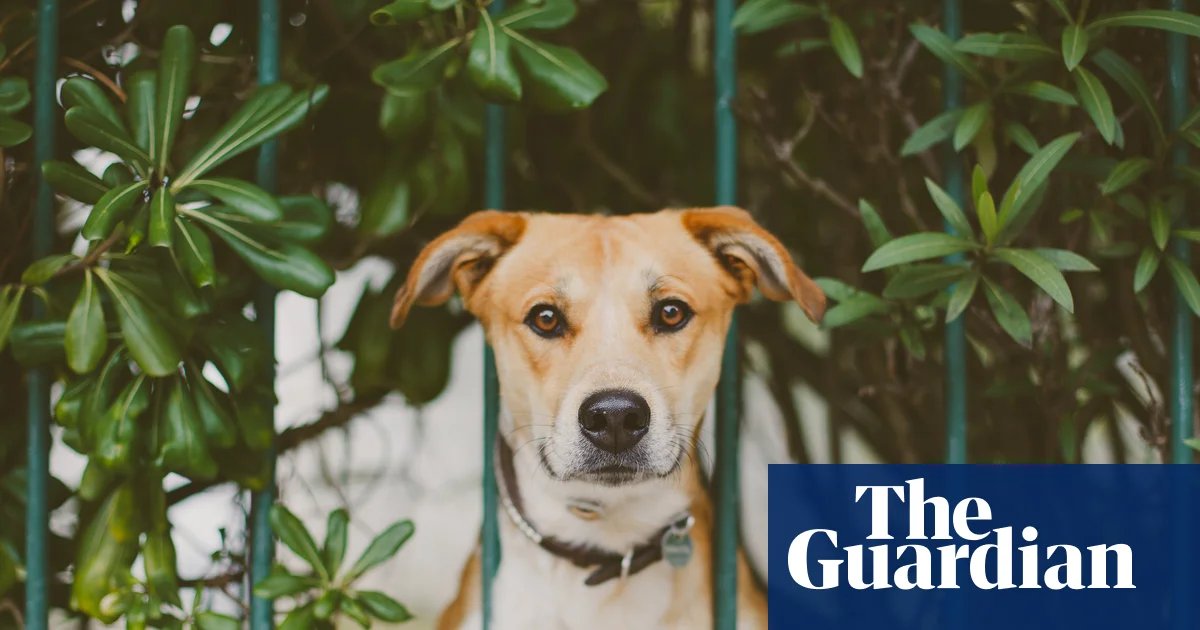
On the surface, there’s not a great deal to meter reading. Armed with a handheld device, I’d proceed from property to property taking readings from meters, the data passed on to electricity providers. But within that were a set of obstacles, not unlike a video game. On the screen, codes were attached to specific addresses. These included: Aggressive Customer, Bees in Meter Box, Dog in Yard, Savage Dog. Some of these could be years old and no longer applicable. The only way to find out? Open a gate, step inside a property and hope for the best.
I was bitten by dogs; I made friends with so many dogs. At a place outside Woodend, I returned to the ute after reading a meter to find a bulldog perched in the front passenger seat. It faced the windscreen, ready for an exciting day out. Gently, I managed to coax it from the car. As I was driving away, I looked in the rearview to see the dog wrestling with something red in the dirt. Instinctively, I reached for the red beanie that had been on my head. Reclaiming it from between the dog’s jaws was a slow and complicated negotiation.
Another time, on backroads between the towns of Carlsruhe and Kyneton, I was reading a meter when I sensed movement from behind the house. Seconds later a horse appeared, tearing in my direction. I shoved the handheld device in my bag and sprinted across the lawn, tumbling over the gate just as the horse arrived. The commotion brought the owner outside. “He’d only wanted to say g’day to you, mate!,” the man told me, ruffling the horse’s mane.
The ute was another adventure. Once, while backing from an elevated driveway, a wheel slipped into a ditch and I became stuck. A car pulled over and a man asked if I needed help; minutes later he came bumping along on a tractor, using the front-end loader to lift me out.
Near Trentham, I drove to the bottom of a farm to locate a meter inside a spider-riddled shed. This was testing enough but afterwards the ute refused to grip the soft, sloping track to get out. I am in no way a car person and blind panic is my default reaction in situations like this. That explains why, with darkness on the way, I made the ill-advised and possibly quite dangerous decision to drive at speed up a hill of windscreen-high grass to make my escape. At the top I jumped out and performed a quick inspection of the ute, praying I hadn’t damaged it in some fatal way. Everything appeared fine so I sped by the farmhouse and into the twilight.
All the while, the war with the creative part of myself continued. I can’t remember when it started happening but I found myself pulling over between meters to write down story ideas, watched by birds in the roadside gums. Parked outside public toilet blocks, or eating lunch at deserted sports grounds, I was suddenly working on short stories. Soon, I was waking an hour earlier each morning to write, before strapping on my boots and gaiters, and hitting the road.
I’ll never forget the year I spent out there. First and foremost are the stories I came away with. The Macedon Ranges are stunning and were an absolute balm during a time of recovery. That year also lives in my memory as an in-between period verging on the mythic – my PhD attempt on one side, fatherhood and a bowel cancer diagnosis on the other. But most of all, stepping from the ute in my high-vis yellow shirt, heading for another porch and another meter, I learned what deep down I suspect I already knew: that, for all its many challenges, I’m bound to this life of writing and creativity.
-
Wayne Marshall is the author of Henry Goes Bush, available now (A$34.99, Pan Macmillan Australia)