
‘I want to be other people’s cautionary tale’: how do you financially prepare for a parent’s death? | US personal finance
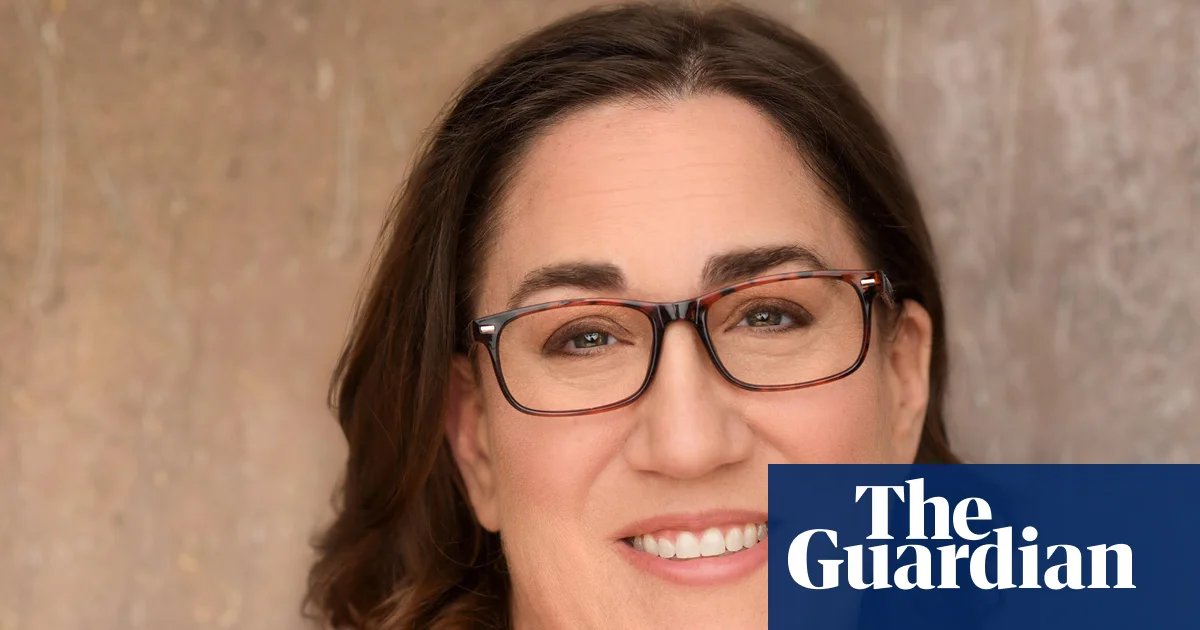
As a certified financial planner, Beth Pinsker had spent decades guiding clients through retirement and managing ageing parents’ finances. Yet when her own mother fell ill, she was caught off-guard: transferring funds on behalf of her mother and exercising her authority as power of attorney were logistical nightmares.
If she found caring for her mother’s affairs this complicated, Pinsker wondered how people with less financial knowhow managed. “There’s just a lot of moving pieces, and it’s impossible to think ahead and cover everything, because life is just too complicated,” she said.
Pinsker wrote her 2025 book, My Mother’s Money: A Guide to Financial Caregiving, to help others avoid some of the headaches she experienced. She says that while no one wants to think about death, a few simple preparations can spare your children pain down the road.
“I want to be other people’s cautionary tale,” she added. “And I want to prepare for this [myself] so that my children don’t have to do the same hard things that I had to do.”
The Guardian spoke with Pinsker about what documents everyone – no matter your age – should have in place, difficult conversations with ageing parents and the greatest gift her late mother gave her.
A will is often the first thing that comes to mind when thinking about end-of-life planning. Does everyone need one?
I actually find the documents that you need before somebody dies to be way, way, way more important: financial power of attorney, healthcare proxy and HIPAA authorization.
If you become incapacitated, these documents, respectively, authorize someone to make financial decisions on your behalf, make medical decisions for you and allow your healthcare providers to share protected medical information. If they don’t have proper legal authority, they may have to go through a lengthy and expensive court process to get it. According to a big state of the industry report, 26% of people have a will, but only 11% of people have a power of attorney in place.
After death, you need a will or trust, and beneficiary designations.
Where should someone feeling daunted by estate planning start?
Downloading a power of attorney form takes 32 seconds. It costs $4 to get the thing notarized, and you’re all set. It’s literally that easy. Without a formally authorized power of attorney document, there’s very little you can do for a loved one who is incapacitated or otherwise unable to make financial decisions for themselves. The document needs to be signed, notarized and, in some states, witnessed. Then it needs to be accepted and processed by each financial institution.
One night, I was staying at my mom’s when she was in the hospital, and all I wanted to do was eat junk food and watch TV to chill out after being in the hospital all day. Her cable wasn’t working, so I called the cable company and asked them to reboot the box, and they said, “Oh, you’re not an authorized user. You’ll have to call back in the morning and send us the power of attorney.”
So even if you have the power of attorney document, if you haven’t taken it to each financial institution and had them authorize it and attach it to the account, it’s just a piece of paper that doesn’t do anything.
You can also create a trust online. There are many different kinds of trusts, but a trust is a legal structure that permits a person to assign a representative to handle their assets for them after their death. It’s absolutely no harder than doing your taxes with a tax planning software to do this online – but if possible, I do recommend hiring a lawyer familiar with the laws of your state to create the trust, because they are more complicated documents. If you do create a document online, most services have a review option. The more qualified eyeballs on it, the better.
[Editor’s note: A few online services that help people with estate planning include Trust & Will, Quicken WillMaker & Trust, Legal Zoom and FreeWill. As a columnist with MarketWatch, Pinsker is unable to endorse specific financial services.]
What do you wish you had known at the beginning of your journey managing your mother’s money and end-of-life care?
I had her power of attorney documents, and I’d had general conversations with her about money, but I hadn’t had nitty-gritty discussions with her. I didn’t know how she paid her bills, or what the specifics were for social security, so I had to figure all of those things out fast.
We also hadn’t gone to the bank and had them authorize the power of attorney. That’s an important step that most people miss.
How did you manage the emotional toll of financial caregiving?
I thought of myself as my mom’s arms and legs. My mom’s mind was totally fine during her entire illness, which was precipitated by complications during major back surgery. She wanted to think about the money stuff, which she had always handled herself, but she couldn’t. Some days she was in surgery, or they gave her medication that made her loopy. She couldn’t walk. She couldn’t do some physical things.
It was my job, and my privilege, to be her force in the universe. And I felt purpose in doing that. You have to remember that you’re doing this because you love somebody.
In your book you write about your gratitude for the ways your mother had prepared for her end of life. Can you share what she did that made things easier for you?
On the eve of my mom’s surgery, she directed me to a folder marked “Cemetery” stashed in her home office. I didn’t give it much thought, because at that point, she wasn’t even ill. She had all [her burial plans] worked out, down to a map of our family plot with her space highlighted in yellow. But when she did pass away nine months later, it became a one-stop, one-phone-call situation for us, rather than having to make a lot of decisions.
I was in a state of complete disarray, but I didn’t have to think through anything, because my mom had thought it through for me, and that was the most helpful, loving parent gift that she could have given to me.
How do you suggest people approach family members who may be resistant to financial help?
You cannot handle somebody’s affairs against their wishes, and so it takes a little bit of gentle persuasion sometimes. At the end of the day, if they want to do everything on their own, then that’s their purview.
Usually there’s a lot of push and pull in the beginning, and then some lever gets flipped where the person is just too sick, and then that’s when the kids step in. But if the parent never signs the financial permission slip, you have to go to court.
If you have to have a really hard conversation in order to prevent that, you should have that really hard conversation.
Studies show financial acumen is one of the first cognitive functions to slip in old age. What red flags should people look out for?
The first one is past due bills. You will notice this on a visit. Go into that person’s stack of mail and look through the envelopes; [many] older people still have paper bills.
Some people need help at tax time. Be proactive. You can say, “Mom, my accountant said we could take on your taxes for an extra 40 bucks. Do you want us to do your taxes this year, instead of you having to do it?”
You also want to look for excessive giving. My mom gave political donations [to] anybody who asked her for money, and then she would get on lists, and they would just endlessly ask her for money, and she would just give it.
How are you putting your affairs in order so your kids don’t have to?
I have set up all my incapacity documents (HIPAA authorization, power of attorney and healthcare proxy) and my will and my trust so that my kids won’t have to deal with a lot of paperwork or red tape if something were to happen to me. That’s a parenting choice that I’m making because I love my kids. My mom did some of those things for me because she loved me and she didn’t want me to have to do the hard things that she had to do for her parents.
This is where love comes in. You have to think, “OK, I don’t want to think about my own death, but I also don’t want to leave the people I love most in the world in that crappy position of needing to decide something at the last minute. So I’m going to be a grownup and do what needs to be done: I’ll make a couple of phone calls, I’ll make a decision, and it’ll be done, and I’ll never have to think about it again.”