
‘Russian’ manicures are on the rise – but experts say a lot can go wrong | Australian lifestyle
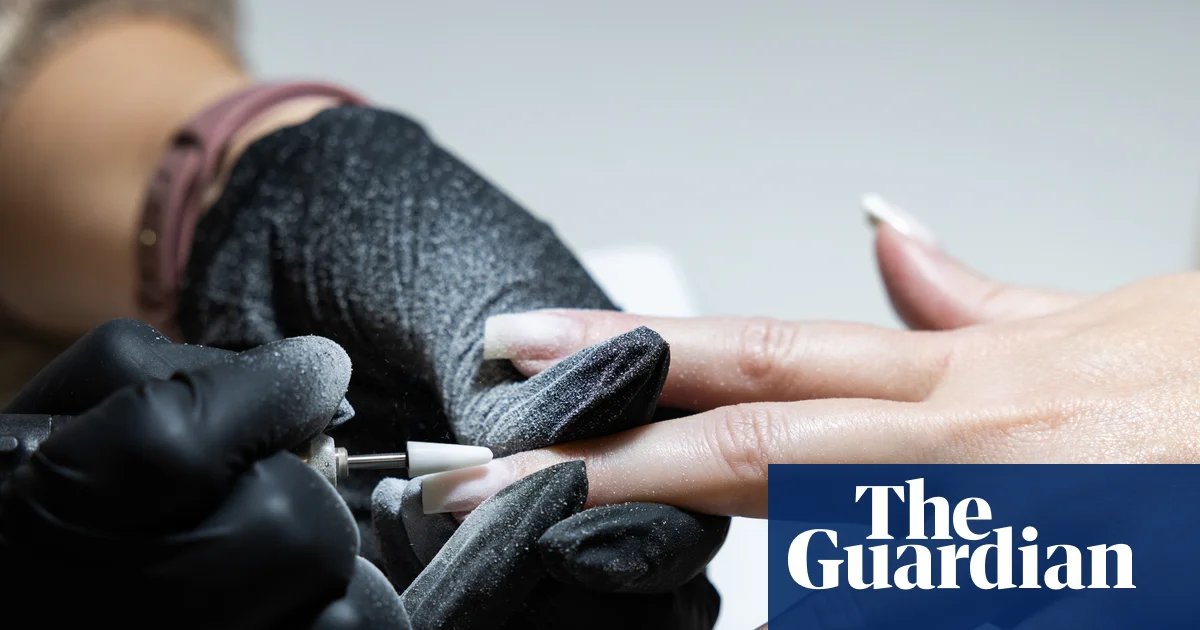
A drill with a speed of 35,000 revolutions per minute sits on Alina Huck’s orderly work station. The drill bit is the length of an almond, and as soon as it touches the client’s nail it whips up a fine dust of dead skin.
“It’s definitely a satisfying experience,” says Huck, a Sydney-based nail technician who has spent nearly a decade specialising in e-file manicures, also known as Russian manicures.
Light machinery might seem out of place in a glossy nail salon, but it is the key to an e-file manicure. Over the past year, more clients have been requesting the once-niche beauty treatment, says Huck.
E-file manicures are characterised by the complete removal of the cuticle – the drill is used to lift the cuticle up and remove any skin on the nail plate beneath. This allows the nail technician to apply polish close to the base of the nail plate, resulting in a longer-lasting manicure.
Global Google searches for “Russian manicure” have risen steadily since 2020, with searches peaking last month. There are over 250,000 videos on TikTok under the hashtag #russianmanicure, with some dramatic before and after videos of sanded cuticles clocking more than 200,000 views.
“It just looks so natural – it’s this clean look,” says Linda Vasquez, a disability accommodation services manager. Every month, Vasquez travels an hour from Wollongong to her nail technician’s salon in Penshurst in Sydney’s south.
While regular gel manis last around two weeks, Vasquez says e-file manicures can stretch up to five weeks and are better able to withstand the “wear and tear” of her job. Their longevity comes at a pretty price, however, costing between $100 and $150 in Australia, roughly double that of a gel manicure. “It’s treated more as a craft … rather than a quick service,” says Sydney nail technician Salina Basnet.
Huck says when she migrated from Kazakhstan to Sydney in 2017, most of her clients were from eastern Europe, where the technique originated. Now she has a strong local clientele who travel from as far afield as Perth for an e-file manicure.
Huck opened her current salon in 2021 and employs three full-time staff – all specialising in e-file manicures. She has noticed a “big change” in the industry, with more technicians providing the service.
Samantha Elliott, owner of Seir Beauty School in Sydney, links the trend to the popularity of “immaculate” nail plates on social media. Enrolments in Seir’s “extremely popular” Russian manicure short course rose 30% in the last year, Elliott says. “Clients are requesting more and more of a flawless finish. If you’ve got a little bit of a hangnail or a little bit of the eponychium still sitting there, your clients are not going to be happy.”
As clients tighten their household budgets, they are also demanding higher standards from beauty technicians. “To justify the financial cost, you want good results,” says Christina Anthony, marketing lecturer and consumer psychologist at the University of Sydney.
In the case of e-file manicures, it’s an “investment” in a service that is supposed to be longer lasting.
Affordable luxuries, such as specialised beauty treatments, can provide a sense of control and comfort during uncertain times, Anthony adds. “We’re not just managing finances but we’re also trying to manage our moods and our emotions because we’re feeling a bit low,” she says. “We use consumption for emotion regulation.”
Meg Elkins, associate professor in economics at RMIT, says: “If your nails are on you’re always elevated – you might not have your face on, you might not have your hair done but your nails are always on.”
For Mariya Hull, a sales representative at a non-for-profit organisation, having a fresh set of nails is a “mood booster” when she is tapping away at her computer. “It’s like little art on my nails … when I look at them, it makes me feel better,” she adds.
But Basnet and Huck acknowledge that without adequate training, e-file manicures can be a risky service. “A lot can go wrong if it’s not done properly,” says Basnet. When Vasquez’s regular nail technician went on holiday she tried another salon, with less than ideal results. “My fingers looked deformed,” she says.
The main risk is infection, explains dermatologist Theone Papps. With no cuticle to act as a barrier, yeast and bacteria may enter the nail fold, which can lead to chronic inflammation around the nail. If the nail plate has been filed down too much it may also create thinner and more brittle nails.
While Papps herself indulges in gel manicures from time to time, she recommends minimising manicure frequency, and taking breaks between sessions to let your nails and skin recover.
Light pain or irritation after a manicure could indicate a“superficial bacterial infection”, she says. Papps recommends soaking your nails in a diluted saline or vinegar solution. But her main tip for aftercare is moisturiser. “During the manicure, you’ve had a lot of physical abrasion, a lot of chemicals going on the skin … so you need to rehydrate,” she says. Something “thicker or greasy” like petroleum or paraffin works best.
An e-file session takes time to get right, with a standard appointment lasting at least an hour and 20 minutes. But not every moment is spent drilling.
Hull’s latest session took three hours, much of it spent catching up with her manicurist. After all, she says, a visit to the salon is “like coming home”.